
Now Hiring a Direct Support Professional (In-Home Care) | Learn More & Apply

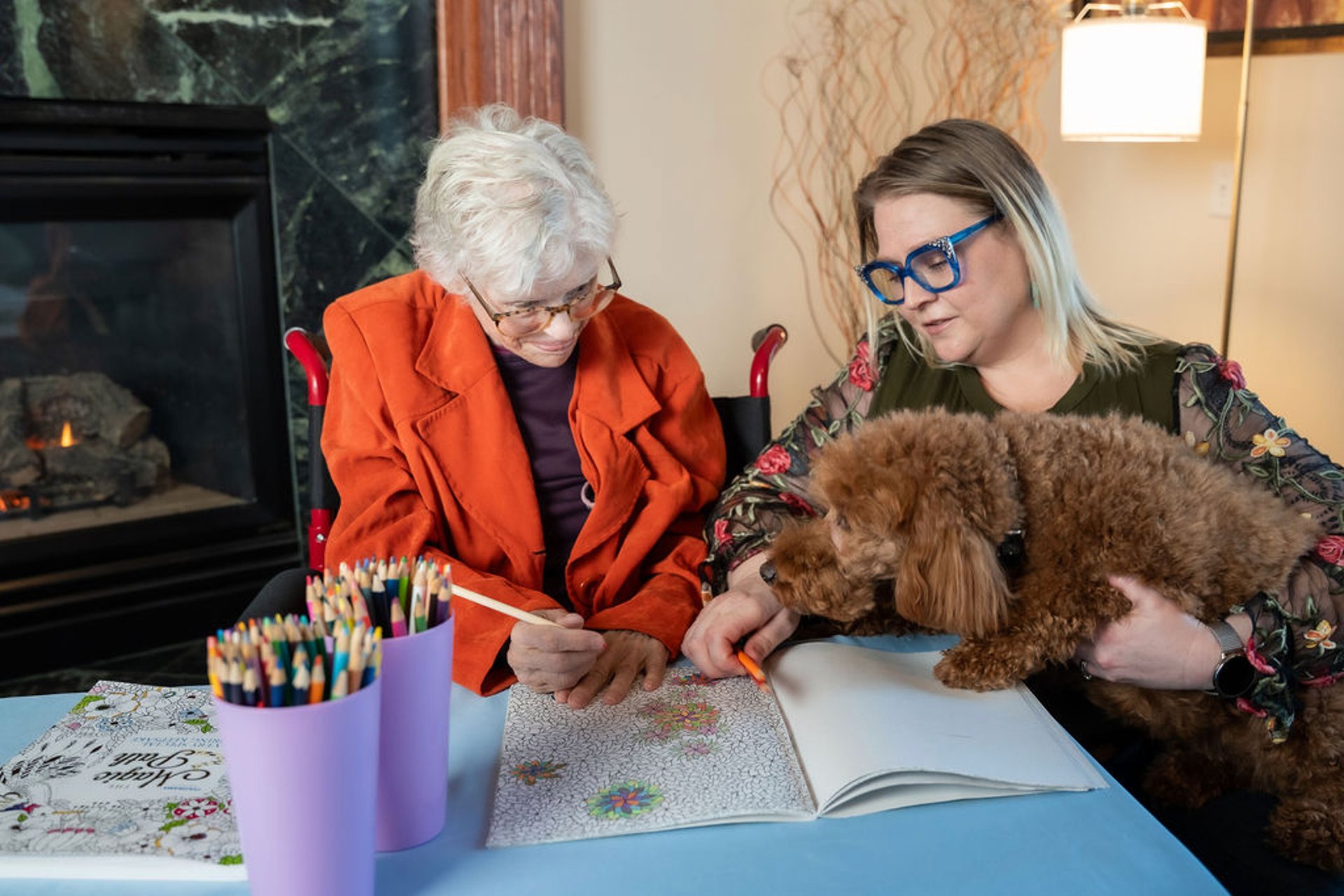
Office Hours with Stephanie
60-Minute Virtual Q&A for Adults Seeking Care and Their Family Members
🗓 Every Third Wednesday at 12 PM Central
🎥 Live session with Q&A — attend from anywhere
You may be navigating aging parent concerns without clear information about what support actually looks like.
You're managing caregiving responsibilities on their own, unsure when or how to ask for help.
You want your loved one to stay home safely and independently, but you're not sure what steps to take.
Maybe you're feeling overwhelmed by guilt.
Exhausted by constant worry.
Uncertain about what "good care" actually means.
Wondering if you're doing enough.
And underneath it all is the quiet question:
"How do I respect their desire for independence while keeping them safe—and give myself a break when I need one?"
There is another way.
After 25 years navigating these same concerns (and a very personal experience that brought it all into focus) I'm excited to host monthly sessions where we'll explore the questions most people are afraid to ask or haven't thought about yet. No pressure. No assumptions about what you "should" do.
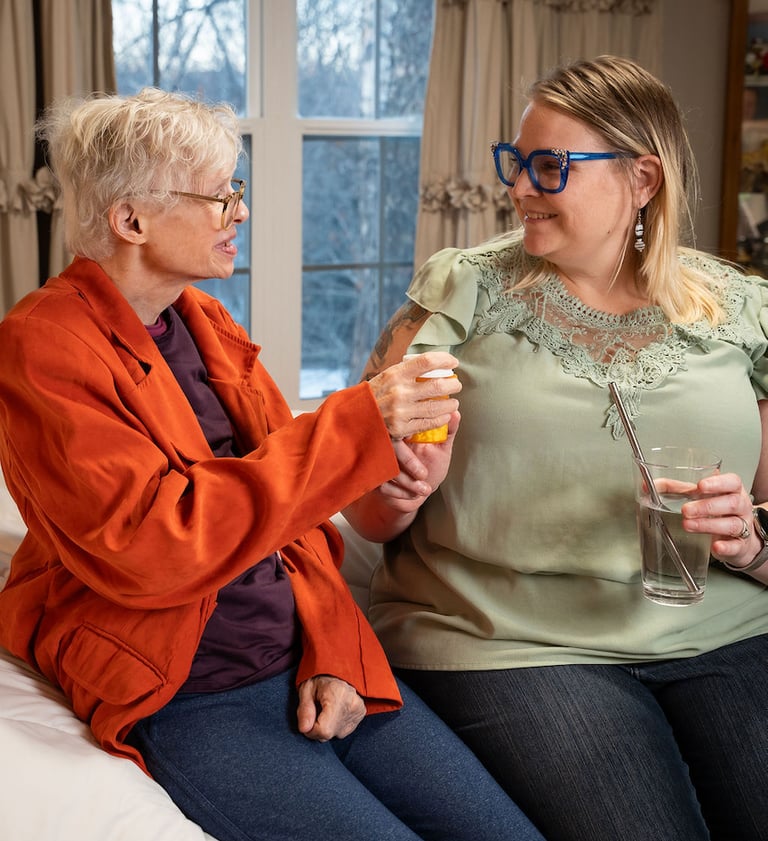


You know that caregiving is worth every minute, but you also know it takes its toll.
Here's what may sound familiar:
The feeling that "the other shoe" is about to drop, and that a crisis may force a decision no one is happy with
Carrying the full weight of caregiving alone, with siblings, relatives, and friends showing up inconsistently
Feeling guilty about accepting help, when support is a tool for dignity, not a failure of love
This session is your invitation to step out of the "wait and see" pattern and into a care model rooted in dignity, clarity, and partnership.
In-home care worries we hear every day
Most people assume that in-home care means losing independence.
But care with connection, flexibility, and respect for autonomy does the opposite for you and your loved one.
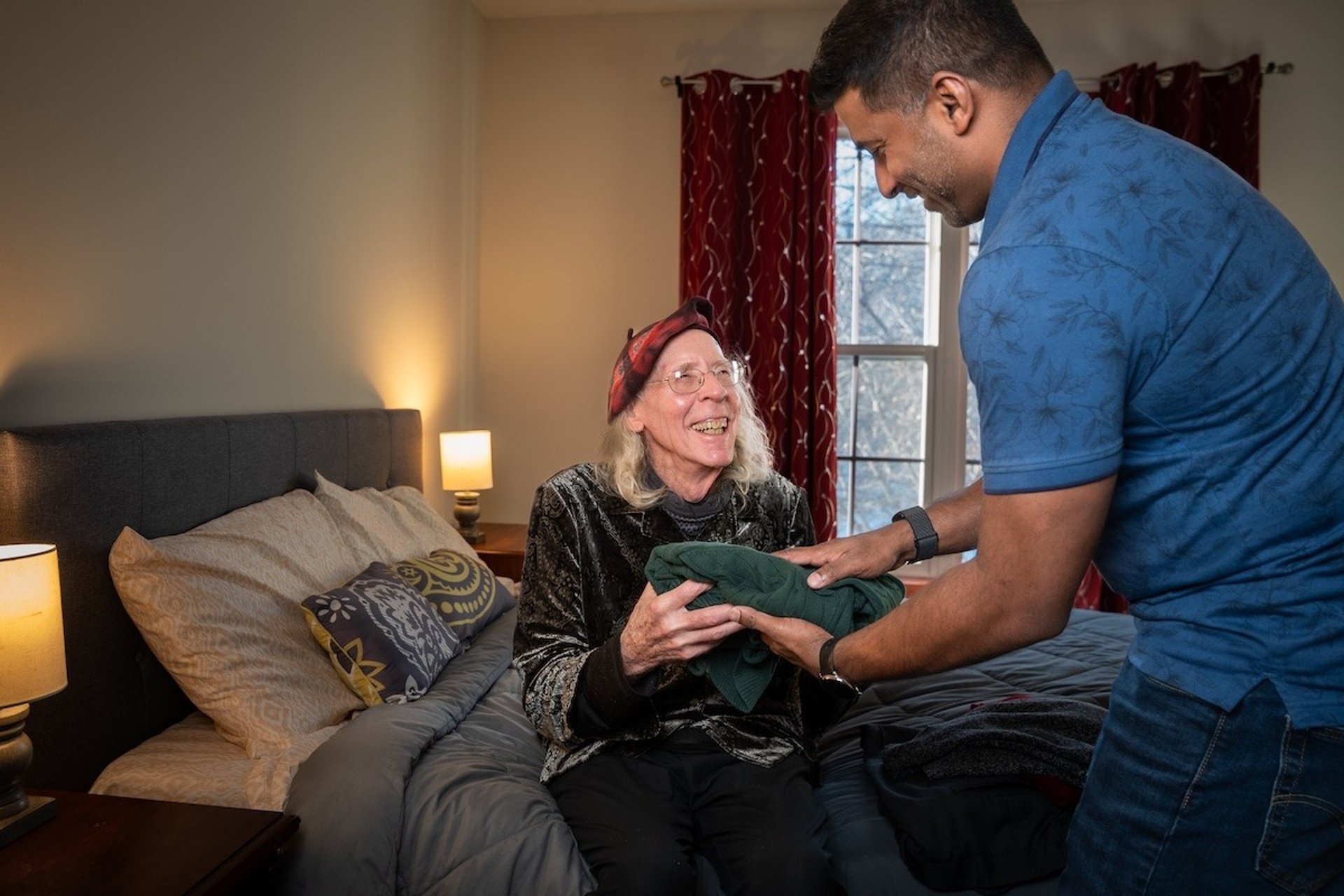
Working in aging and disability services taught me that people thrive when support is built around their routines, preferences, and goals. Not around what's easiest for staff.
Independence isn't something you lose when care begins. It's what good care is designed to protect.
"It's too expensive."
Hospital stays and crisis management cost far more than preventive care. Early support protects both health and finances.
"In-home care means medical care."
Most in-home care focuses on everyday tasks like cooking, cleaning, getting dressed, and transportation. It gives you relief where you need it most, not just during medical emergencies.
One-third of older adults report feeling lonely, and one-quarter feel socially isolated. Companionship and connection are just as important as practical support.
"I don't need help yet."
What You'll Learn in the Session
In this session, you'll learn what most people never hear: how care supports independence instead of replacing it.
Part 1: Understanding In-Home Care
What private-pay, non-medical home care actually is (and what it is not)
The difference between medical home health and in-home care
Common signs that extra support may be helpful
Why starting early often prevents crises and protects relationships
Part 2: How Northern Lights Living Approaches Care Differently
How we match caregivers based on routines, preferences, and personality, not just on availability
What person-centered care looks like in real life (with examples)
How families stay connected through optional photos, videos, and caregiver updates
What dignity of risk means and how we balance safety with autonomy
How to take the next step if you'd like to explore an in-home assessment
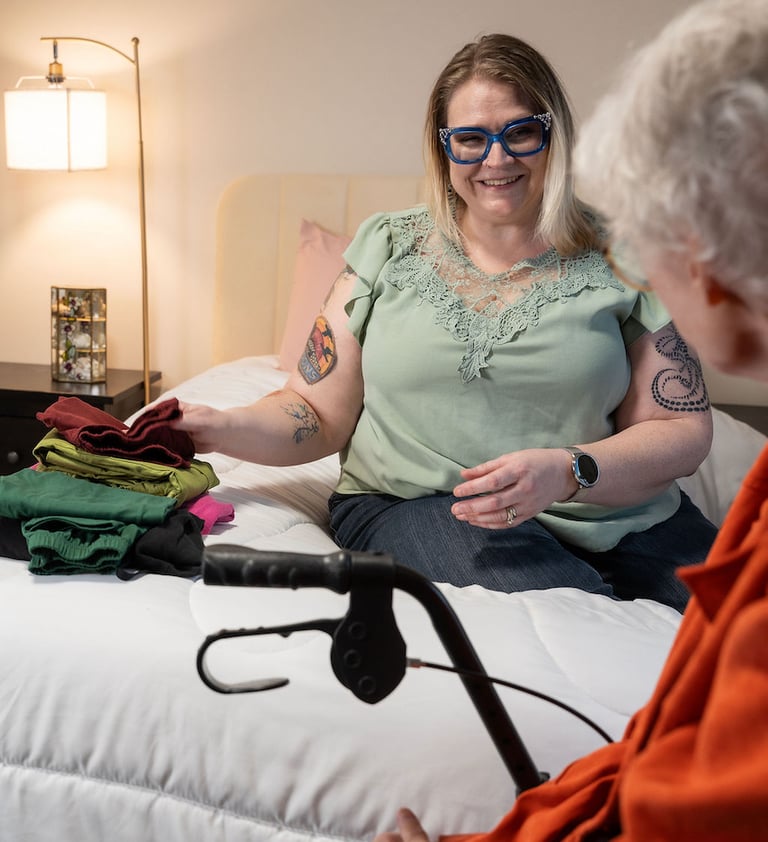
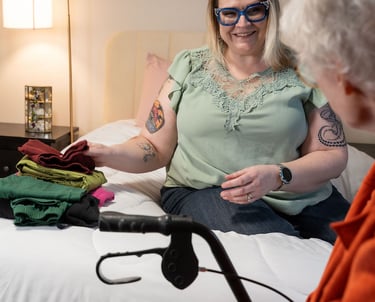
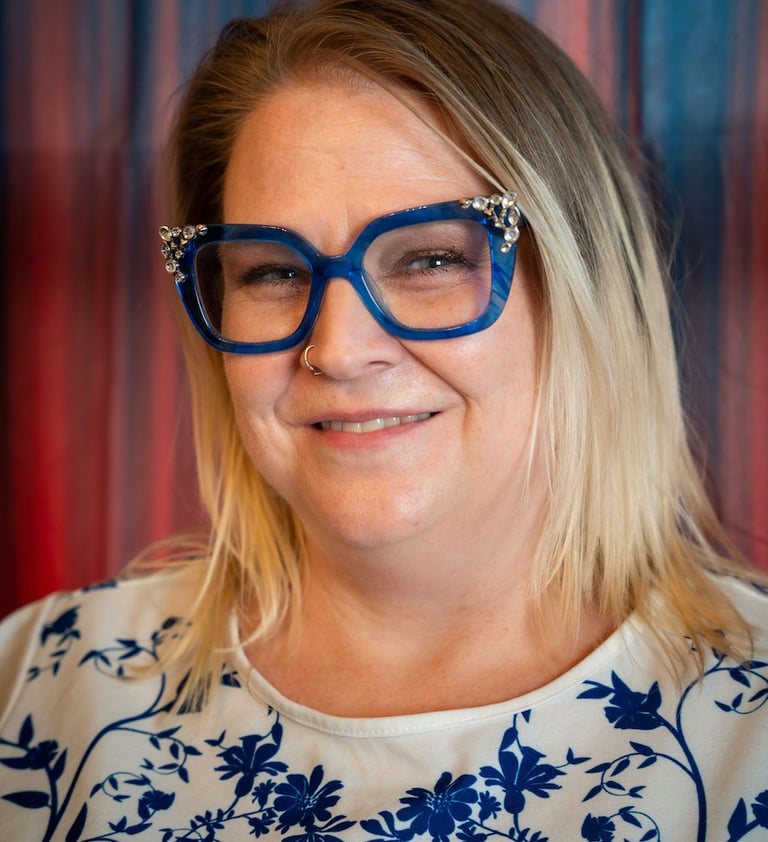
Hi, I'm Stephanie. I'm a care advocate with 25 years of experience in aging and disability services and person-centered care.
As the founder of Northern Lights Living, I help families and older adults navigate care decisions with clarity, dignity, and without pressure. From our first conversation, my priority is partnership, transparency, and respect.
My work is rooted in one belief: care should support the life someone wants to live.
When we build care around a person's routines, preferences, and goals, we create support that feels like partnership. Not a loss of control. And that partnership changes everything for the person receiving care.
We know that autonomy, dignity, and encouragement lead to better outcomes than convenience-driven care models.
Building care this way is uniquely powerful because it strengthens families, reduces caregiver burnout, and protects the self-respect and dignity that every person deserves.
I'm on a mission to help more families feel informed and empowered about their care options. Are you in?
It's time for aging and disability support built on dignity, clarity, partnership, and respect.
Join me live for a thoughtful information session and learn what in-home care can look like when it's done right.
Free 60-Minute Q&A with Stephanie Alexander
🗓 Every Third Wednesday at 12 PM Central
🎥 Live session with Q&A — attend from anywhere
Northern Lights Living
Illuminating the Way to Quality Care
© 2026. All rights reserved.
Connect on social