
Now Hiring a Direct Support Professional (In-Home Care) | Learn More & Apply

How to Talk to a Parent Who Says "I Don't Need Help"
Learn compassionate ways to talk to a parent who says they do not need help while protecting dignity and relationships.
Stephanie Alexander
2/6/20262 min read
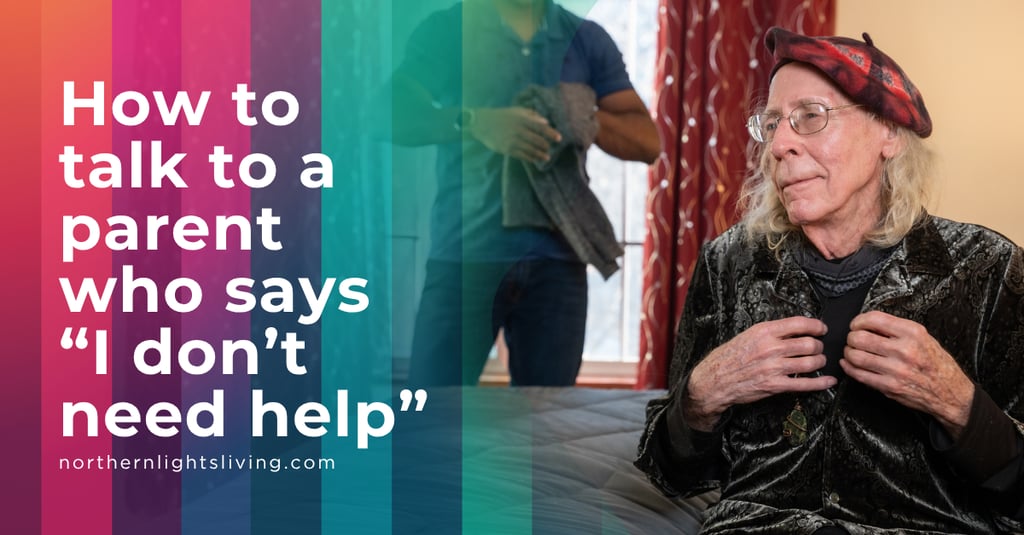
There's a moment many adult children know all too well.
You bring up a concern. Maybe it's about safety, or keeping up with daily routines, or just getting a little extra help around the house. And before you can even finish, the response comes back, quick and firm: "I don't need help."
That response? It's rarely about the help itself. More often, it's about a perceived loss of independence, control, or even losing a sense of identity.
For people who've spent their whole lives being capable and self-reliant, the idea of needing support can feel deeply personal, even threatening.
As I always tell families: "It's not about what they can't do anymore. It's about protecting what they still can do, and want to keep doing."
So where do you start?
The most important thing is to listen first. Really listen. Ask open-ended questions and give space for concerns to come out without jumping in to correct or convince. When someone feels heard (not dismissed or overruled) they're much more likely to lower their defenses and actually engage in the conversation.
When you do talk about support, frame it as a tool, not a takeover. Focus on what care makes possible: staying safe at home, keeping routines intact, having more energy for the things that matter.
Language matters here. Instead of saying "you can't do this anymore," try "let's make sure you can keep doing what's important to you."
One thing I've learned over the years is that partnership language goes a long way. Phrases like "let's figure this out together" or "what would feel helpful to you?" can shift the entire tone of the conversation.
And here's the thing: you don't have to figure it all out in one conversation. Starting small often makes care feel way less overwhelming. A few hours a week can feel manageable, where an open-ended plan might feel like too much too soon.
These conversations take time. They rarely get resolved in a single sit-down. Giving them space, revisiting gently, and staying patient almost always leads to better outcomes than pushing for an immediate answer.
Because at the end of the day, as I remind families all the time: "We're here for you today, tomorrow, and a year from now."
There's no deadline. No pressure. Just support when you're ready for it.
Join the Next Care Without Crisis Session
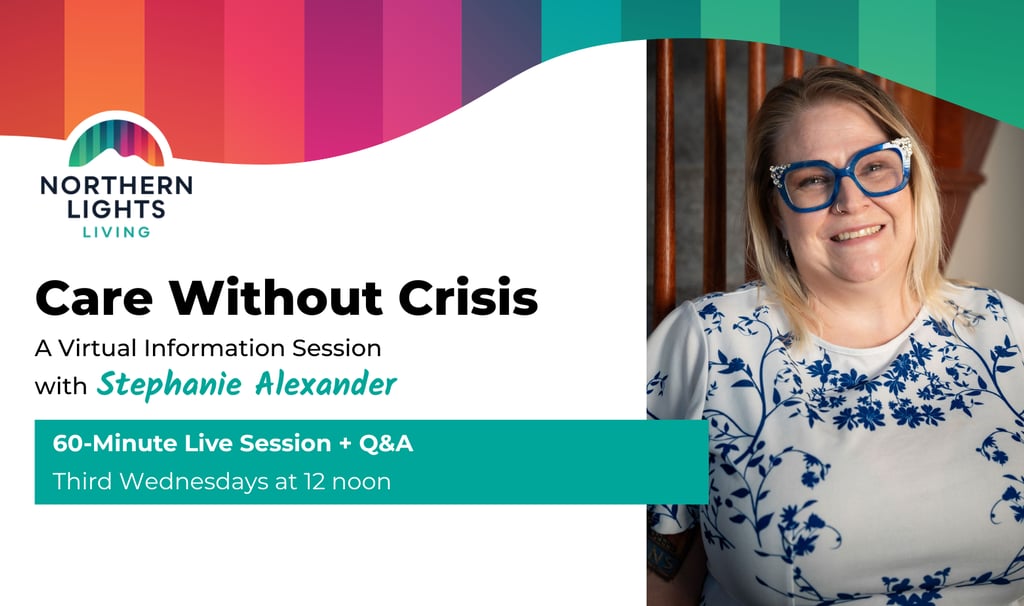
I host a free Care Without Crisis info session once a month on the third Wednesday at noon. It is a supportive, practical space to learn how to spot early warning signs, talk about help, and build a plan before a crisis forces your hand.
Northern Lights Living
Illuminating the Way to Quality Care
© 2026. All rights reserved.
Connect on social